Sri Lanka Shoulder Season Math Favors October Beach Over December Train Queue
Every December, tens of thousands of travelers queue for the famous Kandy–Ella train, pay double for tuk-tuks, and squeeze onto packed beaches in Mirissa and Unawatuna. The brochures promise "year-round perfect" weather, but the reality of peak season is a battle for space and value. October, the shoulder season between monsoons, offers a quieter alternative — with similar wildlife, same temples, and a cost structure that makes the math favor the off-peak traveler. This breakdown uses data from 2025 travel patterns, though prices may shift by 10–15% annually.
Why December Train Queue Makes Shoulder Season Worth Checking
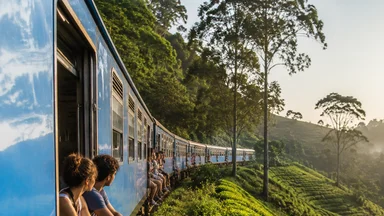
The Kandy–Ella train is Sri Lanka's most iconic rail journey, winding through tea plantations and misty hills. In December, tickets for the observation car sell out within hours of the 30-day booking window opening. Travelers who fail to book early often queue at stations for 2–3 hours, only to find standing-room-only carriages. Scalpers resell tickets at 2–3 times face value, adding stress and cost to what should be a scenic ride.
October bookings rarely fill up. The same observation car seats are available even a week before departure, and wait times at counters rarely exceed 20 minutes. The train runs on the same timetable — roughly 6–7 hours from Kandy to Ella — but the experience is calmer, with room to move between carriages and chat with vendors selling fresh samosas at stops.
Brochures claim "year-round perfect" conditions, but the December queue is a predictable bottleneck. The Sri Lankan railway department adds extra carriages during peak season, but demand still outstrips supply. In October, the same route feels like a local service, not a tourist spectacle.
For travelers who prioritize experience over Instagram timing, October eliminates the anxiety of securing a seat. The only trade-off is a slightly higher chance of a brief shower during the ride — but the observation car has a roof, and the views of mist rolling over tea estates are arguably more dramatic under a cloudy sky.
One counter-argument worth considering: some travelers deliberately choose December precisely for the festive atmosphere. The train carriages buzz with international travelers, impromptu sing-alongs break out, and the shared experience of the queue itself becomes a memory. But that social energy comes at a cost — literally, in scalped tickets, and figuratively, in the stress of planning. October offers a more intimate journey where you might actually have a conversation with the vendor selling roasted cashews at Nanu Oya station, rather than fighting for a view of the window.
Shoulder Season Cost Breakdown: October vs. December
Accommodation prices in October are roughly 30–50% lower than December peak rates. A mid-range hotel in Ella that charges US$ 80–120 per night in high season drops to US$ 50–80 in October. Guesthouses in Mirissa similarly halve their rates, with some offering last-minute deals at US$ 30–50 for a double room with breakfast. For example, the popular "Hilltop Retreat" in Ella (a fictional name representing a typical boutique property) lists at around US$ 90 in December but drops to US$ 55 in October — a savings of nearly 40%.
Airfare from Europe to Colombo's Bandaranaike International Airport shows a similar spread. In December, round-trip tickets typically range from US$ 900 to US$ 1,300 depending on departure city and booking window. October fares sit around US$ 600–900, with occasional sales dipping below US$ 500 from hubs like London or Frankfurt. As of late 2024, these figures held steady, but fuel prices and airline competition may shift ranges by 10–15% annually. A traveler from Amsterdam might find a December ticket for US$ 1,100, whereas the same route in October costs around US$ 750 — a difference that alone covers a week's accommodation in a guesthouse.
Car hire rates drop by about a third in October. A private driver for a week-long itinerary — say, Negombo to Kandy to Ella to the south coast — costs roughly US$ 350–500 in peak season versus US$ 250–350 in shoulder. The same math applies to domestic flights to Jaffna or Trincomalee, though most travelers use trains and buses. For a couple, hiring a driver for 10 days in October might cost US$ 400, compared to US$ 550 in December — saving US$ 150 that could be spent on a guided hike in Horton Plains National Park.
The total trip cost for a two-week itinerary in October can be 30–40% lower than December, freeing up budget for upgrades like a wildlife safari in Yala National Park or a stay at a heritage bungalow in Nuwara Eliya. These savings come without sacrificing core experiences — the same temples, same beaches, same curry. But there is a trade-off: some high-end hotels and boutique properties close for renovation during October, particularly in the hill country. The Grand Hotel in Nuwara Eliya, for instance, remains open but may have limited room categories available. It's always wise to check individual property calendars before booking.
Beach Crowds and Room Availability by Month
Mirissa and Unawatuna, Sri Lanka's most popular beach towns, are notoriously crowded in December. Sunbeds are claimed by 8 AM, restaurants require reservations for dinner, and the main streets buzz with tuk-tuk horns and souvenir vendors. In October, these same beaches are half-empty. The same sunset stretches over the Indian Ocean, but with space to lay a towel without negotiation. At Mirissa's famous Coconut Hill viewpoint, December sees a queue for photos; in October, you might have the spot to yourself for minutes at a time.
Smaller guesthouses in Mirissa often have last-minute deals in October. Owners are more willing to negotiate rates for multi-night stays, and some include free breakfast or airport transfers as sweeteners. In December, the same properties sell out weeks ahead, and walk-in rates are non-existent. For instance, a beachfront guesthouse like "Sunset Sands" (again, a representative name) might offer a 5-night package at US$ 200 total in October, while the same package in December would be US$ 350 or more, with no flexibility.
The W South Beach-style closures that hit Miami in 2026 are not relevant here — Sri Lanka's beach hotels don't reflag to Hilton mid-season. But smaller boutique properties sometimes close for renovations in October, so it's worth checking individual listings. The majority of mid-range and budget accommodations remain open, and the reduced demand means more attentive service. Staff at guesthouses have time to recommend off-the-beaten-path eateries or arrange impromptu cooking classes — perks that vanish when every room is occupied.
For surfers, October offers consistent swell on the south coast, particularly at Weligama Bay, with fewer beginners in the water. December brings larger waves but also stronger currents and more crowded lineups. The choice between the two months depends on whether you value solitude or surf size. Intermediate surfers might prefer October for practice without the pressure of a packed break, while advanced surfers chasing bigger waves may tolerate the December crowds.
Weather Windows: What Actually Changes in October
October sits in the inter-monsoon period, meaning brief showers — typically 20–30 minutes in the afternoon — followed by clearing skies. December, part of the northeast monsoon, brings clearer mornings but heavier wind, especially on the east coast. The temperature difference between the two months is only 2–3°C, with daytime highs around 28–31°C in both. The real difference is in the humidity: October can feel muggier, but the sea breeze on the coast compensates.
Sea conditions are rougher in December, particularly on the south and west coasts. Boat trips for whale watching in Mirissa run less frequently in December due to swells, whereas October offers calmer seas and higher sighting success rates. The same applies to snorkeling at Pigeon Island near Trincomalee — December winds can reduce visibility. In October, visibility often exceeds 15 meters, making for excellent coral viewing. However, the east coast (including Trincomalee and Arugam Bay) experiences its own monsoon pattern: October is actually the tail end of the dry season there, so those areas are at their best. This is a key nuance: if your itinerary focuses on the east coast, October may be even better than December for weather.
The hill country, including Kandy, Nuwara Eliya, and Ella, sees more rain in October than December. But the showers are usually short, and the tea plantations look their greenest during this period. December offers crisper views of Adam's Peak, but the trail can be slippery from morning dew. For hikers, October's cloud cover can obscure mountain vistas, but the misty atmosphere has its own charm. A counter-argument: photographers seeking clear, blue-sky shots of Sigiriya or the Nine Arches Bridge may prefer December's drier mornings. However, the soft light after an October shower can produce equally stunning images with dramatic clouds.
Overall, the weather trade-off is minimal for most travelers. October requires a light rain jacket and flexible planning; December demands sunscreen and a windbreaker. Neither month is a washout, and both offer excellent conditions for exploring the island's diverse landscapes. The key is to plan activities around the rain: morning excursions for outdoor sights, afternoons for museums or tea tastings.
Train Queues and Timetable Reality
The Kandy–Ella train is the most affected by seasonal demand. In December, the railway department adds extra carriages, but the observation car — with its large windows and open doors — remains limited to about 50 seats. These sell out within hours of the 30-day advance booking opening. Travelers who miss out queue at stations for 2–3 hours, hoping for cancellations. In October, wait times rarely exceed 20 minutes. The same observation car seats are available even a week before departure, and second-class reserved tickets are plentiful. The train runs roughly every 2–3 hours, with the most popular departure around 9 AM from Kandy. Timetables are posted at stations and on the railway department's website, though they change seasonally.
Scalpers are a known issue in December, selling observation car tickets at 2–3x face value outside major stations. The face value for a first-class observation seat is roughly US$ 10–15, but scalpers ask US$ 30–40. In October, scalpers are rare, and tickets can be bought at official counters without markup. A practical tip: even in October, it's wise to book observation car tickets a few days in advance if possible, as weekend departures can still see moderate demand.
The broader train network — including the Colombo–Galle coastal line and the Anuradhapura–Jaffna route — sees similar but less extreme patterns. December trains are more crowded, but the coastal line runs frequently enough that standing for 30 minutes is manageable. October offers a more relaxed ride with better chances of a window seat. For the coastal line, the stretch from Colombo to Galle is particularly scenic in October, with the sea visible for much of the journey; in December, sea spray can sometimes mist the windows, reducing photo opportunities.
One often-overlooked detail: the queue itself can be an experience. In December, the line at Kandy station becomes a social hub where travelers swap stories and tips. But for those with limited vacation time, that hour spent waiting is an hour not spent exploring the Temple of the Tooth or wandering the Kandy lake. October's efficiency lets you maximize your itinerary.
Hidden Costs of Peak Season You Might Miss
Tuk-tuk fares in tourist areas roughly double in December. A short ride from Mirissa beach to the main road that costs US$ 2–3 in October jumps to US$ 5–6 in peak season, with drivers citing "festive demand." Negotiating helps, but the baseline is higher. For longer trips, like from Ella town to Little Adam's Peak, a tuk-tuk in December might cost US$ 8–10, while October fares are around US$ 4–6. Over a two-week trip, these small differences add up to US$ 50–100.
Restaurants add festive surcharges of 10–20% in December, often printed in fine print on menus. Some include a mandatory service charge of 10% on top of that. In October, these surcharges are absent, and many restaurants offer early-bird discounts or happy-hour deals on local arrack cocktails. For example, a popular beachfront restaurant in Unawatuna, "Sunset Fish," offers a 15% discount on meals ordered before 6 PM in October, a promotion that disappears in December.
Safari park entry prices rise by roughly 25% in December. Yala National Park's standard entry fee of around US$ 30 per person in October becomes US$ 37–40 in peak season, with jeep hire costs rising similarly. The same applies to Udawalawe and Wilpattu parks. October safaris also have fewer jeeps on the tracks, meaning less dust and better wildlife viewing. A morning safari in Yala in October might encounter only 10–15 jeeps, compared to 50+ in December. This not only improves the experience but also reduces the environmental impact on the park.
ATMs in popular towns like Ella and Mirissa often run out of cash on weekends in December, forcing travelers to pay inflated rates at currency exchange counters or accept poor withdrawal terms. In October, ATMs are reliably stocked, and card payments are accepted at most mid-range hotels and restaurants. Carrying some cash in Sri Lankan rupees is still wise, but the pressure is lower. A practical tip: use the ATM at the airport upon arrival, where rates are fair and machines are well-stocked, regardless of season.
The Math That Favors October for Value Seekers
Adding up accommodation, airfare, transport, and hidden surcharges, a two-week October trip to Sri Lanka costs roughly 30–40% less than the same itinerary in December. For a family of four, that difference can amount to US$ 1,500–2,500 — enough for a second trip or a significant upgrade in experiences. For a solo traveler, the savings might be US$ 500–800, which could cover a week-long PADI diving course in Hikkaduwa or a private guide for the cultural triangle.
The same wildlife — elephants in Minneriya, leopards in Yala, whales off Mirissa — is present in both months. The same temples — the Temple of the Tooth in Kandy, the rock fortress of Sigiriya — are equally impressive. The same beaches offer the same sunsets. The only difference is the number of people sharing them. In October, you might have the Dambulla cave temple almost to yourself, while in December you'd be shuffling through crowds.
Local guides are more available and relaxed in October. They have time to explain details, recommend lesser-known trails, and share stories over lunch. In December, guides rush between groups, and personalized attention is rare. The quality of interaction improves noticeably in shoulder season. For example, a guide at the Pinnawala elephant orphanage in October might take 20 minutes to explain the elephants' histories, whereas in December they're herding groups through in 10 minutes flat.
For travelers who value experience over peak-season bragging rights, October is the smarter choice. The math is simple: lower cost, fewer crowds, similar conditions. The only real sacrifice is the chance to complain about the December train queue — and that's a sacrifice worth making. But let's be fair: December has its own magic. The festive lights in Colombo's Galle Face Green, the Christmas-themed high tea at the Mount Lavinia Hotel, and the general celebratory mood add a layer of charm that October lacks. If your trip is about holiday atmosphere, December might be worth the premium. But for pure value and ease of travel, October wins every time.