Copenhagen Guesthouse Math Favors Nørrebro Bakery Street Over Tivoli Proximity Premium
Most Copenhagen guides start with a simple rule: stay within walking distance of Tivoli Gardens. The logic seems sound—you're close to the city's most famous attraction, the Central Station, and the pedestrian streets of Indre By. But that advice comes with a price tag that often exceeds €200 per night for a basic double room, and it ignores a quieter, more flavorful alternative just a few metro stops away. Nørrebro's Jægersborggade, a cobbled street lined with bakeries and guesthouses, offers a different math: lower room rates, cheaper meals, and a local atmosphere that the tourist core lacks. The trade-off isn't about sacrificing convenience—it's about redefining what convenience means.
The Tivoli Proximity Premium Is Overrated
Hotels within a five-minute walk of Tivoli Gardens command a steep premium. As of late 2024, a standard double room at a mid-range chain near the Central Station often runs between €180 and €250 per night. That rate rarely includes breakfast, and the nearby cafes charge €12–15 for a simple smørrebrød and coffee. The argument for staying there is that you save time—but how much time, exactly? Walking from Nørrebro to Tivoli takes roughly 25 minutes, while the metro covers the distance in under 10. The premium you pay to shave off 15 minutes of transit works out to something like €70–100 per night, which is hard to justify for most travelers.
There's also the noise factor. Streets around the Central Station see heavy traffic until late, and the area attracts a steady flow of tourists and nightlife-goers. Guesthouses on quieter side streets in Nørrebro, by contrast, tend to be set back from main roads, offering a better night's sleep. And while Tivoli itself is a lovely park, its ticket price—around €20 for adults—isn't included in your room rate. If you're not planning to visit daily, the proximity premium becomes even harder to defend.
Some travelers do prefer the hustle. Being able to step out and immediately find a 7-Eleven, a late-night kebab shop, or a direct train to the airport has real value. But for those willing to trade a few minutes of walking for significant savings, the math tilts away from Indre By. The question is whether the neighborhood experience you get in return is worth the swap.
Nørrebro Bakery Street Delivers Better Value
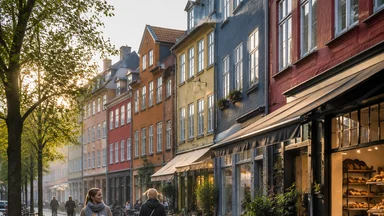
Jægersborggade, often called Bakery Street, anchors a stretch of Nørrebro that has quietly become one of Copenhagen's most appealing lodging districts. Guesthouses here—converted apartments or small inns—typically list rooms between €80 and €120 per night. That's roughly half the price of a comparable hotel near Tivoli. The street itself is famous for its bakeries: Hart Bageri, run by a former Noma chef, sells sourdough pastries for around €4–6, and Mirabelle offers croissants and coffee for a similar range. Breakfast becomes an outing rather than a hotel add-on.
The neighborhood feels markedly different from the tourist core. You'll see more locals pushing strollers, more bicycles parked outside cafes, and fewer souvenir shops. The metro station at Nørrebro, served by lines M3 and M4, puts you at Kongens Nytorv in about eight minutes. A 72-hour city pass costs roughly €25 and covers all zones, making transit a fixed, predictable expense. For a three-night stay, the savings on accommodation alone—say €300 versus €540—more than cover the pass and leave room for several bakery visits.
Critics might argue that Nørrebro lacks the landmark density of Indre By. You won't wake up next to the Round Tower or the Royal Palace. But the trade-off is access to a residential Copenhagen that many visitors never see. The street's evening scene is lively but not overwhelming, with bars that attract a young, local crowd rather than stag parties. For travelers who value authenticity over checklist tourism, the math is clear.
Short-Term Apartments Beat Hostels for Groups
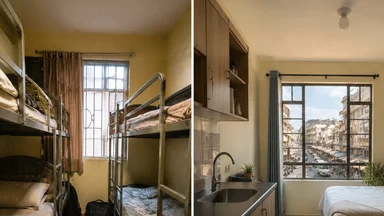
For groups of three or four, the equation shifts again. Hostel dorm beds in Copenhagen run €35–50 per night, but you share a bathroom and have limited privacy. A two-bedroom apartment in Østerbro or Nørrebro, booked through platforms like Booking.com or Airbnb, often costs €130–180 per night. Split four ways, that's €33–45 per person—comparable to a hostel dorm, but with a private kitchen, living space, and washing machine. The kitchen alone can save €10–15 per person per meal if you cook breakfast or dinner.
The catch is availability. Short-term apartments in Copenhagen require advance booking, especially during summer and holiday seasons. Cancellation policies vary widely; some hosts offer free cancellation up to 48 hours before, while others charge 50% if you cancel within a week. Reading the fine print matters. Also, check-in is often self-service via a lockbox, which means no front desk to ask for recommendations. For travelers who prefer the social atmosphere of a hostel, the apartment route can feel isolating.
Still, for families or friends traveling together, the apartment option often wins on cost and comfort. A recent analysis by the Danish tourist board suggested that short-term rentals in neighborhoods like Nørrebro and Østerbro have grown by roughly 15% year-over-year since 2022, reflecting demand from budget-conscious groups. The key is to compare total cost per person per night, including cleaning fees, which can add €20–40 to a booking.
Transit Reach Changes the Math
Copenhagen's metro system, which runs 24 hours on weekends, makes neighborhoods like Nørrebro, Østerbro, and even Amager viable alternatives to the city center. A single trip costs around €3, and a 72-hour city pass covers unlimited travel within zones 1–4 for about €25. From Nørrebro station, the M3 line reaches Tivoli (København H) in eight minutes, while the M4 connects to Østerport in six. That means a guesthouse 10 minutes from the center by transit can cost 30% less than a hotel in Indre By.
Bicycles are another factor. Rental shops charge €15–20 per day, and Copenhagen's bike lanes are extensive and safe. Riding from Nørrebro to the city center takes about 15 minutes, and you avoid crowded buses. For travelers comfortable cycling, a bike plus a guesthouse in a peripheral neighborhood can undercut a central hotel by a wide margin. The downside: rain. Copenhagen gets roughly 170 rainy days per year, so packing a good jacket is essential.
The transit argument isn't just about saving money—it's about expanding your options. A cheaper room in Nørrebro means more budget for experiences: a canal tour, a visit to the Louisiana Museum, or a meal at a Michelin-starred restaurant. The fixed cost of transit lets you treat the entire city as your playground, rather than being anchored to one expensive spot.
Bakery Crawls Beat Souvenir Shopping
Jægersborggade packs four bakeries into roughly 300 meters: Hart Bageri, Mirabelle, Lille Bakery, and a small patisserie whose name changes with the season. Pastry prices hover around €4–6, compared to €8–12 for a mediocre sandwich near Tivoli. A self-guided bakery crawl costs less than a single meal at a central tourist restaurant, and it gives you a taste of Copenhagen's food scene without the queue. Coffee Collective, a roastery with a shop on the same street, sells espresso for about €4—on par with specialty coffee in most European capitals.
The street itself is Instagram-worthy: colorful facades, ivy-covered walls, and independent boutiques. There's no entrance fee to walk it, and the atmosphere shifts from morning pastry rush to evening bar buzz. For travelers who prefer experiential spending to souvenir shopping, the bakery crawl offers a tangible return on investment. You leave with memories—and maybe a cinnamon roll—rather than a fridge magnet.
Some argue that a bakery crawl is no substitute for a proper meal. And they're right: you won't get a full dinner from pastries alone. But the street is also home to a handful of casual eateries, like the Italian-inspired Spaghetteria, where pasta dishes run €12–16. The combination of a guesthouse, a bakery breakfast, and a cheap dinner keeps daily spending well below the Indre By average. For budget travelers, that's a win.
Conventional Guides Ignore Neighborhood Trade-Offs
Popular guidebooks like Lonely Planet and Rick Steves tend to push first-time visitors toward Indre By and the Tivoli area. The reasoning is straightforward: that's where the landmarks are. But TripAdvisor reviews for guesthouses in Nørrebro often score higher than those for central hotels, with guests praising the local feel and value for money. Safety is comparable across all central districts; Copenhagen is one of the safest cities in Europe, with low violent crime rates everywhere.
The conventional advice also overlooks the fact that many of Copenhagen's best attractions are scattered. The National Museum is near Tivoli, but the Design Museum is in Østerbro, and the Superkilen park is in Nørrebro. A central hotel doesn't save you transit time to half the city. Meanwhile, street food markets like Broens Gadekøkken are tourist-heavy and pricey—a simple burger and beer can run €20. Local markets like Torvehallerne offer better prices for fresh produce and prepared foods, but they're also in the center.
The real gap in conventional coverage is the failure to quantify the trade-offs. A guide might say "Nørrebro is a trendy neighborhood with good bakeries," but it rarely runs the numbers on accommodation costs versus transit passes versus meal prices. That's the math that matters for budget travelers, and it's the math that favors the bakery street.
Packing Light Saves More Than You Think
One often-overlooked cost is baggage fees. Airlines like SAS and Norwegian charge roughly €30 for a checked bag on short-haul flights. If you can pack everything into a carry-on, you save that fee both ways. Guesthouse lockers tend to be small—many accommodate only a 40-liter backpack or a small rolling suitcase. Packing light also means you can use the metro without wrestling a large suitcase up stairs. Copenhagen's metro stations have elevators, but not all exits are equally accessible.
Laundromats in Nørrebro cost €5–8 per load, including detergent. For a week-long trip, doing one load of laundry mid-stay lets you get by with half the clothes. Wool layers, like a merino sweater, can be worn multiple days without washing, reducing the need for multiple outfits. Rain gear is essential; a basic rain jacket from Sport24 costs around €20, which is cheaper than buying an umbrella every time it rains.
Packing light isn't just about saving baggage fees—it's about flexibility. With a carry-on, you can check out of your guesthouse, store your bag at the station for €5, and explore until your flight. That extra afternoon is worth more than the space a second pair of shoes would take up. The math of travel extends beyond accommodation and food; every decision about what you carry affects your budget and your freedom of movement.
Seasonal Shifts in Pricing and Atmosphere
The value proposition of Nørrebro over Tivoli proximity shifts with the seasons. During the summer months, from June through August, Copenhagen sees peak tourist numbers. Hotels near Tivoli often double their rates, with basic rooms hitting €300 or more per night. Guesthouses in Nørrebro also rise, but to a lesser extent—typically €100–150 per night. The metro remains reliable, and the longer daylight hours make evening bakery crawls more enjoyable. In winter, from November to February, central hotel prices drop to around €120–180, narrowing the gap. However, Nørrebro guesthouses also drop, often to €70–100, preserving a 30–40% discount.
Weather plays a role in the trade-off. Summer rains are frequent but short, and the covered arcades of Indre By offer shelter. In winter, the wind off the Øresund can make walking uncomfortable. The metro from Nørrebro becomes more appealing when it's cold or wet. Additionally, Tivoli Gardens is open seasonally: from late March to late September, and again for a Halloween and Christmas season. If you're visiting outside those windows, the proximity premium is even less justified, since the main attraction is closed. Nørrebro's bakeries and bars operate year-round, providing a consistent draw regardless of the calendar.
Another seasonal factor is daylight. Copenhagen's winter days are short, with the sun setting around 3:30 PM. A guesthouse in Nørrebro, with its cozy cafes and warm lighting, can feel more inviting than a sterile hotel room near the station. The bakery street's intimate scale suits the darker months, while summer's long evenings make the outdoor seating at Jægersborggade particularly pleasant. Travelers should weigh these seasonal nuances when choosing a base.
Hidden Costs of Central Hotels: Breakfast and Amenities
Many mid-range hotels near Tivoli charge extra for breakfast, often €15–20 per person per day. For a couple, that adds €30–40 to the daily cost—enough to buy a full bakery breakfast on Jægersborggade for two, with change left over. Guesthouses typically lack on-site restaurants, but the surrounding neighborhood offers cheaper alternatives. A coffee and pastry at Hart Bageri costs around €6, and a second pastry or a sandwich from a nearby bodega can round out a filling breakfast for under €10 per person. Over a three-night stay, the savings on breakfast alone can reach €30–60 per person.
Amenities also differ. Central hotels often include a fitness center, business lounge, or concierge service—features that many leisure travelers never use. Guesthouses may offer a shared kitchen, a small garden, or bike storage, which are more practical for independent travelers. The absence of a front desk is sometimes framed as a drawback, but it also means fewer upsells and a more self-directed experience. For travelers who prefer to plan their own itinerary, the guesthouse model aligns better with their habits.
There's also the question of noise insulation. Older buildings near Tivoli, especially those along Vesterbrogade, can be poorly soundproofed against street traffic. Guesthouses in Nørrebro's side streets, often located in converted 19th-century apartments with thick walls, tend to be quieter. A good night's sleep has a value that's hard to quantify but directly affects trip satisfaction. The combination of lower rates, cheaper breakfasts, and better sleep makes the guesthouse a strong contender.
Counter-Argument: When Central Location Wins
It's only fair to acknowledge scenarios where staying near Tivoli makes sense. Travelers with limited mobility may prefer to minimize walking and transit transfers. The area around the Central Station is flat and wheelchair-accessible, with elevators at most metro entrances. Nørrebro's cobblestone streets can be challenging for wheelchairs or strollers, though the main sidewalks are paved. Similarly, business travelers attending conferences at the Bella Center or working near the airport might find the direct train from the Central Station more convenient than a metro ride from Nørrebro.
Another case is the late-night arrival. If your flight lands after midnight, the metro runs less frequently, and taxis from the airport to Nørrebro cost roughly €40–50, versus €25–30 to the center. The city's night bus network covers Nørrebro, but buses are slower and less comfortable. For very short stays—say, a single night—the convenience of walking from the station to a hotel may outweigh the cost savings. And for travelers who plan to spend most of their time in Indre By, the premium might be acceptable if it means avoiding the mental overhead of transit.
Finally, some travelers simply prefer the energy of a tourist hub. Being surrounded by other visitors, having English menus everywhere, and finding open shops late into the evening can be reassuring, especially for first-time solo travelers. Nørrebro's authenticity comes with fewer English-speaking staff and less tourist infrastructure. If you value ease over savings, the central hotel is a valid choice. The key is to recognize that the decision involves trade-offs, not absolutes.
Practical Tips for Booking a Guesthouse on Jægersborggade
If you decide to try Nørrebro, here are some concrete tips. Book directly with the guesthouse when possible—platforms like Booking.com charge hosts 15–20% commission, and some pass that cost to guests through higher rates. A direct booking might save you 10–15% and often includes more flexible cancellation terms. Look for guesthouses that list their exact location on the street; some apartments are on side streets rather than Jægersborggade itself, which can be quieter but farther from the bakeries.
Check for kitchen access. A shared kitchen can save you €10–15 per meal if you cook. Many guesthouses provide basic cookware and a fridge, allowing you to store leftovers or prepare simple meals. Also, confirm whether the room includes a desk or seating area—some guesthouse rooms are compact, with just a bed and a small table. If you plan to work or relax in your room, a larger space matters.
Finally, read recent reviews for noise. Some apartments on Jægersborggade are above bars or restaurants, which can be loud until midnight. Look for reviews that mention "quiet" or "good sleep quality." The best units are often at the rear of the building, away from the street. With a bit of research, you can secure a comfortable base that undercuts central prices while immersing you in Copenhagen's most vibrant residential district.