Mexico City Market Math Favors 7 AM Taco Stand Over 11 AM Tourist Queue
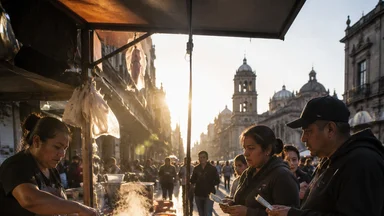
Mexico City's taco economy runs on a simple arithmetic: the earlier you arrive, the better the math. At 7 AM on Calle de López, the line at Taquería Los Cocuyos is already a dozen people deep—office workers, construction crews, a few abuelas with shopping bags. By 11 AM, the same block hosts a different crowd: tourists clutching phone maps, queuing at El Huequito for suadero that's been sitting on the plancha since breakfast. The price gap is real—15 to 20 pesos per taco at the early stand versus 30 to 40 at the tourist-facing spot—and the quality gap is wider. Fresh masa, made that morning, versus reheated tortillas that have been stacked in a basket since dawn. This is not a secret. It's just math that most visitors ignore.
Over the course of a week in the city, a traveler who adjusts their schedule to the market's internal clock will eat better, spend less, and see a side of Mexico City that guidebooks mention but rarely detail. The following sections lay out the logic: which markets reward early birds, how to handle cash and coins, what hygiene cues locals actually trust, what to skip, and a humane 7-day pace that leaves room for nap time.
The 7 AM Taco Stand vs. the 11 AM Tourist Queue
Taquería Los Cocuyos, on Calle de López just off the Zócalo, starts grinding meat around 6:30 AM. By 7, the first batch of suadero is crisping on the griddle, and a cook is patting out fresh tortillas from a ball of masa. The clientele is almost entirely local: men in work boots, women in uniform, a few pensioners reading newspapers. The tacos cost 18 pesos each—roughly 90 US cents as of late 2024. You order by pointing, pay in cash, eat standing at a narrow counter, and you are done in ten minutes.
Three blocks away, El Huequito opens for the tourist trade by 10 or 11. The suadero here is fine—it's a reputable chain—but the tortillas are often pre-made and the salsa is served in plastic squeeze bottles. A single taco runs 35 pesos. The line moves slowly because customers are taking photos, asking questions, and paying with cards. The same meal costs more than double and takes three times as long. The trade-off is convenience of location and a menu in English, but the food is not better.
This pattern repeats across the city. The stands that cater to the morning rush—workers, market vendors, early shoppers—turn over their ingredients quickly because they sell out by noon. The stands that open later, aimed at tourists and late risers, hold food longer and charge a premium for the privilege of sleeping in. If you want the best taco of your trip, set an alarm for 6:30.
Three Markets That Reward Early Birds
Mercado de San Juan: Seafood and Specialties
Mercado de San Juan, in the historic center, is famous for exotic meats—crocodile, lion, wild boar—but its real strength is the seafood section, which is busiest between 7 and 9 AM. Vendors set up at dawn, displaying fresh oysters, ceviche, and shrimp on ice. A plate of aguachile—raw shrimp cured in lime and chili—costs around 120 pesos at a stall that has no name and no menu. The cook will ask if you want it spicy. Say yes. By 10 AM, the same stall is serving leftover aguachile to tourists who wandered in after a late breakfast. The lime has lost its edge and the shrimp is less firm.
Mercado Jamaica: Flowers and Huaraches
Mercado Jamaica is a flower market first, but its food stalls are a morning destination. At 8 AM, the air smells of marigolds and frying masa. The huaraches—thick, oblong tortillas topped with beans, meat, and salsa—are made to order. A stall near the orchid section, run by a woman named Doña Chayo, has been serving them since the 1980s. Her huarache costs 45 pesos and comes with a choice of nopales, chorizo, or tinga. She uses a single comal and wipes it clean between orders. The line is short before 9 AM; by 10, it stretches into the flower aisles.
Mercado de la Merced: Bulk Chiles and Cochinita Pibil
La Merced is the city's largest traditional market, a labyrinth of dried chiles, spices, and prepared food. The cochinita pibil—slow-roasted pork in achiote—at a stall called Los Pibileros is ready by 8:30. The meat is pulled from a banana-leaf wrap, piled onto a tortilla, and topped with pickled red onion. A taco costs 20 pesos. The stall is cash-only until about 10 AM, when a vendor with a card reader arrives. Locals know to bring small bills and coins. The chile section, two aisles over, sells bags of dried chiles for 15 to 30 pesos—a fraction of what they cost in tourist shops.
Payment Realities: Cash, Coins, and the Occasional Clip
Mexico City's street food economy runs on cash. Small stalls and market vendors rarely accept cards, and when they do, there is often a minimum purchase of 100 pesos or a surcharge of 5 percent. The most useful denominations are 20, 50, and 100 peso notes. Larger bills—200 and 500—are often refused because vendors cannot make change. Coins are even better: 5, 10, and 20 peso coins for tlacoyos, atole, or a cup of fruit. An ATM at Banco Azteca charges a flat fee of roughly 30 pesos per withdrawal, which is lower than most bank-owned ATMs in tourist areas. Withdraw 1,500 pesos at a time to minimize fees.
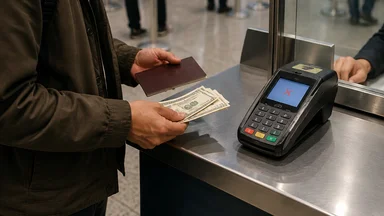
Currency exchange is another hidden cost. At the Mexico City airport, exchange booths offer rates around 17.5 pesos to the US dollar as of late 2024. In the city, casas de cambio near the Zócalo offer 18.5 to 19.0. The difference on a 500-dollar exchange is about 750 pesos—enough for 40 tacos. Avoid hotel exchange desks, which often give rates below 17. Do not rely on credit cards for small purchases; many stalls charge a fee or simply say "no tarjeta."
Some sit-down fondas—small, family-run restaurants inside markets—do accept cards, but they often have a minimum. At Mercado de San Juan, a fonda called La Azotea takes Visa and Mastercard for orders over 200 pesos. The ceviche tostada is 80 pesos, so you need to order two or add a drink. It is worth it, but plan accordingly. For the rest, carry a stack of small bills and a pouch of coins.
Hygiene Cues That Locals Actually Use
Tourists often worry about food safety in street stalls, but locals have a practical system of observation that is more reliable than a health department rating. The first cue is turnover. A stall that is busy—where the cook is constantly grilling, chopping, and serving—has fresh ingredients. Raw meat should be kept on ice or in a refrigerated display, not sitting on a counter. The cook should use separate tongs for handling raw meat and for serving cooked food. Watch for a moment: if the same hand that takes your cash reaches for a tortilla, that is a red flag.
Lime and salsa should be kept chilled, not at room temperature. Many stalls set bowls of salsa on ice or place them in a cooler. If the salsa is warm, it has been sitting out too long. Flies are a clear warning. A stall with no flies around the meat is likely cleaning its surfaces regularly. The best sign is a woman in an apron who wipes the counter between customers. It is a small gesture, but it indicates a habit of cleanliness. Doña Chayo at Mercado Jamaica wipes her comal with a cloth after every huarache. That is the kind of detail that matters.
Another cue: the cook's hands. If they are handling food with bare hands, look for a towel or glove change between tasks. Many vendors use a plastic bag as a glove for handling tortillas—a common practice that is actually hygienic because the bag is discarded after each use. Avoid stalls where the cook wears the same apron all day without changing it, or where the cutting board has deep grooves that trap residue. These are not hard rules, but patterns that experienced eaters notice.
What to Skip and What to Double Down On
Not everything in a Mexican market is worth your time or money. Tourist-market churros after 10 AM are a common trap. They are often reheated from a batch made hours earlier, dusted with stale sugar, and priced at 40 pesos for a small bag. Skip them. Instead, find a stall that fries churros to order—usually near a school or office building at breakfast time. The difference is noticeable: crisp outside, soft inside, and coated in cinnamon sugar that hasn't clumped.
Puestos with laminated menus, printed in multiple languages, are almost always priced for tourists. A taco stand that has a handwritten sign or no sign at all is more likely to serve locals. The laminated menu version of the same taco can cost 50 percent more. Skip those. Double down on tamales from a basket. In the morning, women walk through markets carrying a basket of tamales wrapped in corn husks. They cost 15 to 20 pesos each and are steamed fresh that morning. The masa is moist, the filling is hot, and the vendor can tell you exactly what is inside—pork with red salsa, chicken with green salsa, or sweet with pineapple.
Barbacoa—slow-cooked lamb or goat—is a weekend specialty. On Saturday and Sunday mornings, stalls in markets like San Juan and La Merced serve barbacoa tacos with consommé on the side. The meat is tender, smoky, and rich. A plate of three tacos with consommé costs around 60 pesos. This is a double-down item. Skip any taco that comes with pre-shredded cheese. Real Mexican street tacos do not use shredded cheese; they use crumbled queso fresco or nothing at all. Pre-shredded cheese is a sign of gringo adaptation. Avoid it.
A Humane 7-Day Pace: Markets, Mornings, and Nap Time
A week in Mexico City does not require a packed itinerary. The city rewards a slow, market-centered approach that respects the afternoon siesta—2 to 4 PM, when many stalls close and the heat peaks. Here is a humane pace that covers the essentials without burnout.
Day 1–2: Coyoacán Market and Xochimilco
Start in Coyoacán, a neighborhood with a large market that opens early. Arrive at 8 AM for tlacoyos and atole at a stall near the main entrance. Spend the morning browsing the produce and cheese stalls. In the afternoon, take a trajinera ride at Xochimilco—but go early, around 10 AM, to avoid the party crowds. Return by 2 PM for a nap. Evening street food in Coyoacán's main square includes tostadas and esquites.
Day 3–4: San Juan Market and Roma Neighborhood
Mercado de San Juan is best on a weekday morning. Arrive at 7:30, eat aguachile and a taco de campechano (mixed meat), then explore the exotic meat section out of curiosity. Walk to the Roma neighborhood for lunch at a fonda—try the torta de milanesa. Afternoon nap. In the evening, Roma has a number of casual taquerías that stay open late. The park at Plaza Río de Janeiro is a good spot for people-watching with a cup of tejate, a pre-Hispanic corn drink.
Day 5: Teotihuacán Early Return by 2 PM
Teotihuacán is a full morning. Leave by 7 AM to arrive before the crowds and the heat. Walk the Avenue of the Dead, climb the Pyramid of the Sun, and visit the museum. Return to the city by 2 PM—the bus from the site takes about an hour. Nap. In the evening, a light dinner of tlacoyos from a stall near your lodging. This is a long day, but the early start makes it manageable.
Day 6–7: La Merced and a Cooking Class
Dedicate day 6 to La Merced. Arrive at 8 AM for cochinita pibil and a tour of the chile aisles. Buy a bag of dried chiles to take home—they are legal to bring into the US and EU if declared. In the afternoon, take a cooking class that focuses on market ingredients. Many classes include a guided tour of the market followed by a lesson in making mole or tamales. Day 7 is for rest: revisit a favorite stall, pack, and eat one last taco before the airport. The siesta remains sacred. Between 2 and 4 PM, the city sleeps, and so should you.
This pace leaves room for serendipity—a street musician, a neighborhood festival, a vendor who offers a taste of something unexpected. The math of Mexico City's markets is not complicated: early mornings, cash in hand, and a willingness to skip the tourist queue. The reward is a meal that costs less, tastes better, and connects you to the city's real rhythm.