Payday Loan Interest That Compounds Before the Borrower Leaves the Store
Walk into a payday lending store on a Tuesday afternoon and you can walk out with cash in hand inside ten minutes. The process is frictionless – no credit check, no collateral, just a postdated check or an electronic debit authorization. What the borrower often does not see is the interest clock that starts ticking before they leave the parking lot. A $300 loan with a $45 fee due in two weeks sounds manageable in isolation. But annualized, that fee translates into an APR above 390%. And if the loan is rolled over – as roughly 80% of payday loans are – the cost compounds on a cycle designed to repeat.
The $15 Loan That Costs $90 by Friday
The typical payday loan runs between $100 and $500, with fees in the range of $15 to $30 per $100 borrowed. On a $200 loan, a $30 fee is common. Repayment is due on the borrower's next payday, usually 14 days later. If the borrower cannot repay in full, the lender offers a rollover: pay another fee to extend the loan for another two weeks. After three rollovers on a $200 loan at $30 per rollover, the borrower has paid $90 in fees while still owing the original $200. The annual percentage rate on such a sequence can exceed 400%.
These numbers are not theoretical. The Consumer Financial Protection Bureau has documented that the average payday borrower takes out eight loans per year and spends roughly $520 in fees on a $375 loan. The compounding effect is brutal because the fee is recalculated each cycle on the same principal. Unlike a mortgage or a car loan, where each payment reduces the balance, a payday loan's principal stays flat until the borrower finds the full amount. The fee is essentially a rental charge on money the borrower already used. Storefront lenders collect the fee upfront, often before the borrower leaves the store. That means the lender has already profited from the transaction even if the borrower defaults later. The borrower, meanwhile, is on the hook for the full principal plus any future rollover fees. This upfront fee model is central to the industry's profitability. According to industry data, the average storefront lender earns a profit margin of roughly 20–30% on each loan, driven almost entirely by repeat transactions.
The speed of the compounding is what makes payday lending different from other high-cost credit. A credit card with a 25% APR accrues interest daily but the borrower can pay over months. A payday loan's two-week cycle means the effective daily interest rate is roughly 1–2% per day. Miss one payday and the loan has effectively doubled its annualized cost. The borrower is not just paying for credit; they are paying for the convenience of immediate cash with no underwriting.
How Lenders Engineer the Speed Trap
The loan structure is not an accident. The due date is set to the borrower's next payday, typically 14 days out, which is often before the borrower has received their full paycheck. If the loan is for $300 and the borrower's net pay is $1,200, the payment consumes 25% of take-home pay – a heavy burden for most households. When the borrower cannot pay, the lender offers a rollover, which adds another fee and resets the clock for another two weeks.
Some states allow unlimited rollovers, meaning a borrower can theoretically pay fees indefinitely without ever reducing the principal. In states with no rollover limits, the average loan is outstanding for 112 days per year, according to a 2023 study by the Pew Charitable Trusts titled 'Payday Lending in America: Who Borrows, Where They Borrow, and How Much They Pay'. The lender's revenue model depends on this repeat borrowing. A single loan that is repaid on time generates only one fee; a loan that is rolled over five times generates five fees. The industry's profitability is therefore tied to churn, not to one-time transactions.
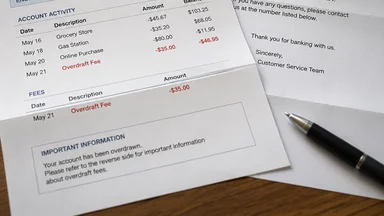
Online payday lenders have refined the speed trap further. They use automated underwriting that approves loans in seconds and deposits funds directly into a bank account. The repayment is often via automated clearing house (ACH) debit, and if the borrower lacks sufficient funds, the lender may attempt multiple debits, each potentially triggering an overdraft fee from the bank. Some online lenders charge a late fee of $25–35 on top of the original fee, compounding the cost even faster.
The borrower profile is predictable: roughly half of payday borrowers have incomes below $30,000 a year, and many have limited access to traditional credit. The product is sold as a short-term bridge, but the data shows it functions as a long-term debt trap for a significant minority. The CFPB found that more than 60% of payday loans are made to borrowers who take out seven or more loans in a year. The speed trap is not a bug; it is the business model.
Data Sharing and the Hidden Risk to Borrowers
Payday lenders rely on data to underwrite loans quickly. They typically check credit reports from the major bureaus – Experian, Equifax, TransUnion – and collect bank account information, Social Security numbers, and employer details. This data sharing enables instant approvals, but it also creates a vulnerability: a breach at any point in the chain can expose sensitive financial data. Unlike genetic data, financial data is a direct route to a borrower's bank account. A breach at a payday lender could expose account numbers and routing details, enabling fraud.
In 2024, a small payday lending chain in Texas reported a breach that affected 40,000 customers, exposing names, addresses, and bank account numbers. The company offered free credit monitoring, but the damage to borrowers who already have thin credit files can be severe. For payday borrowers, a stolen identity can mean years of collection calls, damaged credit scores, and difficulty renting an apartment or getting a job. The industry has been slow to adopt robust cybersecurity standards, in part because many lenders are small operations with limited IT budgets.
Regulators are beginning to connect the dots. The CFPB has proposed rules that would require lenders to verify a borrower's ability to repay before making a loan, which would force more data sharing. But more data sharing also means more exposure. The lesson from high-profile data breaches at well-funded companies is that even robust security cannot guarantee protection, and the cost of cleanup often falls on the consumer. For payday borrowers, who may lack the resources to monitor their credit or respond quickly to identity theft, the risk is amplified.
Who Actually Benefits From the Product Structure
The obvious beneficiaries are storefront lenders and their shareholders. But the money flows further. Online lenders often use algorithmic risk pricing, charging higher fees to borrowers who appear riskier based on data analytics. These lenders may sell their loan portfolios to investors, who bundle them into securities. The secondary market for payday loan debt is smaller than for mortgages, but it exists, and investors earn returns tied to the high interest rates.
Collection agencies also profit. When a borrower defaults, the debt is often sold to a third-party collector for pennies on the dollar – sometimes 5–10% of the face value. The collector then attempts to recover the full amount plus fees and interest. State laws vary on how much collectors can add, but in some cases, a $300 loan can balloon to $1,000 or more after collection costs and court fees. The collector's profit margin can exceed 50% on recovered debts.
The borrower bears the cost of high churn. According to a 2023 report by the Center for Responsible Lending, the average payday borrower pays more in fees than the original loan amount over the course of a year. This is not a marginal cost; it is a structural transfer from low-income households to the financial services industry. Critics argue that the product preys on financial desperation, while proponents say it provides access to credit that would otherwise be unavailable. Both sides can point to data, but the arithmetic of compounding favors the lender.
There is also a less visible beneficiary: the payment processing industry. Each transaction – loan origination, rollover fee, late fee, ACH debit – generates a processing fee for the bank or payment platform. For a loan that rolls over five times, the processor may earn $2–5 per transaction, adding up to meaningful revenue across millions of loans. The infrastructure of high-cost credit is itself a profit center.
Regulatory Loopholes That Keep Rates High
Federal regulation of payday lending has been inconsistent. A 2017 CFPB rule that would have required lenders to assess a borrower's ability to repay was effectively blocked after industry litigation and a change in agency leadership. The Military Lending Act caps interest at 36% for active-duty service members, but that protection does not extend to the general population. As of late 2024, 16 states and the District of Columbia have interest rate caps that effectively ban payday lending, while others have caps of 36–40% that still allow high-cost lending.
State interest rate caps vary widely. In Texas, payday lenders can charge fees equivalent to an APR of over 600% because the state does not cap fees on loans under a certain amount. In California, the cap is roughly 36% for loans under $2,500, but lenders can still charge origination fees that push the effective APR higher. The patchwork of state laws creates a regulatory arbitrage opportunity for lenders operating online or through tribal partnerships.
Tribal lending partnerships are a notable loophole. Some online lenders claim affiliation with Native American tribes and assert sovereign immunity from state usury laws. These lenders often charge APRs above 700% and are difficult to sue because tribal courts may not enforce state consumer protections. Federal regulators have challenged some of these arrangements, but enforcement is slow and borrowers rarely recover fees.
A proposed CFPB rule from 2024 would limit consecutive loans and require lenders to offer a no-cost repayment plan after three rollovers. The rule is still under review and faces legal challenges. Meanwhile, the industry continues to operate in a gray zone where high rates are legal in many jurisdictions. The fundamental tension is between access and protection: tighter regulation reduces the supply of small-dollar credit, but the current system allows rates that most consumers would consider predatory.
Alternatives That Cost a Fraction as Much
Credit unions offer small-dollar loans at rates typically between 18% and 28% APR, often with no origination fee. The National Credit Union Administration's Payday Alternative Loan (PAL) program allows credit unions to offer loans of $200 to $1,000 with a term of one to six months and a maximum APR of 28%. As of 2024, roughly 800 credit unions participate, but coverage is uneven, especially in rural areas.
Salary advance apps like Earnin, Dave, and Brigit allow workers to access earned wages before payday for a small fee or optional tip. These apps typically charge no interest, though they may charge a subscription fee of $1–10 per month. The advance is usually limited to $100–500 per pay period, and repayment is automatically deducted from the next paycheck. For a worker with a steady job and a bank account, this can be a cheaper alternative to a payday loan, though the apps have drawn criticism for their own fee structures and data practices.
Utility companies and local governments often offer emergency assistance programs or payment plans. For example, many electric utilities allow customers to spread a large bill over several months with no interest. Nonprofit organizations like the Salvation Army and local community action agencies provide one-time grants for rent, utilities, or food. The application process can be slower than a payday loan, but the cost is zero.
Financial counseling services, such as those offered by the National Foundation for Credit Counseling, can help borrowers negotiate payment plans with creditors and avoid high-cost borrowing. Some employers offer emergency savings programs or payroll-deducted loans at low rates. The alternatives exist, but they require planning and access to institutions that many payday borrowers do not have. The challenge is not just finding a cheaper product; it is building the financial cushion that makes short-term borrowing unnecessary.
Access Versus Protection: The Unresolved Trade-Off
The payday loan debate ultimately hinges on a persistent tension. On one side, advocates for tighter regulation argue that APR caps and ability-to-repay requirements are necessary to prevent predatory lending. They point to states like New York and Washington, where effective bans have reduced the prevalence of high-cost loans without widespread reports of credit shortages. On the other side, industry defenders and some consumer groups warn that overly strict rules push borrowers toward unregulated online lenders, loan sharks, or expensive overdraft protection. The data is mixed: states with rate caps see lower payday loan volume, but some borrowers in those states report turning to bank overdrafts or pawnshops, which carry their own costs.
What is clear is that the current patchwork of state laws leaves many borrowers unprotected while allowing lenders to operate profitably in high-rate jurisdictions. The compounding structure of payday loans is not an accident; it is a deliberate design that maximizes revenue from repeat borrowing. Until a federal standard is enacted – or until affordable alternatives achieve widespread adoption – the cycle of debt will continue for millions of households. The choice is not between access and protection, but between a system that profits from churn and one that prioritizes sustainable borrowing.
This article is for informational purposes only and does not constitute financial advice. Individual circumstances vary; consult a qualified professional before making credit decisions.