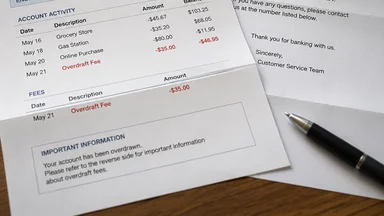
Home Equity Line Freeze That Trapped Borrowers When Home Values Dropped
Home equity lines of credit, or HELOCs, have long been marketed as a flexible financial tool—a way to tap into the value of your home for renovations, debt consolidation, or emergencies. But what many borrowers don't realize is that the lender holds a powerful card: the ability to freeze or reduce the credit line when home values decline. This feature, buried in the fine print, can turn a safety net into a trap. Following the 2022-2023 rate shock, thousands of borrowers across the U.S. found themselves locked out of funds they had counted on, forcing them into high-cost alternatives and, in some cases, financial distress.
When the Spigot Shuts: How Equity Lines Work Before a Downturn
A HELOC works like a credit card secured by your home. The lender sets a credit limit based on a percentage of your home's appraised value minus your outstanding mortgage balance. In a rising market, that limit grows as your home appreciates, giving borrowers a sense of financial flexibility. Many treat the line as a rainy-day fund, drawing on it for home improvements, medical bills, or to pay off higher-interest debt.
During good times, the arrangement feels like a win-win. The borrower gets cheap, tax-deductible interest, and the lender earns fees and interest income. But the contract includes a clause that allows the lender to freeze or reduce the line if the collateral—your home—declines in value. This provision is rarely highlighted at closing. A 2019 study by the Consumer Financial Protection Bureau found that fewer than one in five borrowers recalled being told about the freeze risk.
The 2008 financial crisis was a brutal demonstration of how this clause works in practice. As home values plummeted, lenders froze hundreds of thousands of HELOCs, often without notice. Borrowers who had planned to use the funds for essential expenses found themselves cut off. Some had already drawn heavily and were left with no way to pay down the balance as interest rates reset upward.
The freeze mechanism is not arbitrary. Lenders use automated valuation models to estimate current home values. If the estimated value falls below a threshold—typically 80% loan-to-value ratio—the system triggers a review. The lender may then reduce the line, freeze it entirely, or require a new appraisal at the borrower's expense. The borrower's credit score and payment history may be irrelevant; the collateral is the key.
The 2022-2023 Rate Shock That Triggered a Repeat
Fast-forward to 2022. The Federal Reserve began raising interest rates aggressively to combat inflation, pushing mortgage rates above 7% for the first time in decades. Home prices, which had surged during the pandemic, began to cool. In some Sun Belt markets—Phoenix, Las Vegas, Austin—values dropped by 5% to 10% peak-to-trough. That was enough to trigger HELOC freezes for many borrowers.
A report from the Urban Institute in early 2023 estimated that roughly 15% of HELOC limits were reduced or frozen during that year. The report noted that banks were particularly aggressive in cutting lines for borrowers with higher combined loan-to-value ratios. The freeze was not limited to subprime borrowers; even those with pristine credit and stable incomes were affected.
One borrower, a nurse in suburban Atlanta, told the Atlanta Journal-Constitution in March 2023 that her $30,000 HELOC was frozen. She had planned to use the funds to replace her home's HVAC system, which had failed. Instead, she had to put the repair on a credit card with a 22% APR. Her story echoed thousands of others across the country. The freeze came without warning, in a letter that cited a decline in the estimated value of her home.
The timing was especially painful because many borrowers had taken out HELOCs during the pandemic when rates were low and home values were high. They had not yet drawn on the lines, assuming the money would be there when needed. When rates rose and the economy softened, the lines vanished just as the need for emergency funds grew.
A Documented Case: The Desert Springs Neighborhood
Consider the case of Desert Springs, a master-planned community in the Phoenix suburb of Chandler. During the pandemic, home values in Desert Springs soared, with median prices peaking at around $520,000 in mid-2022. By early 2023, they had fallen to roughly $455,000—a drop of about 12%. That decline was enough to trigger a wave of HELOC freezes.
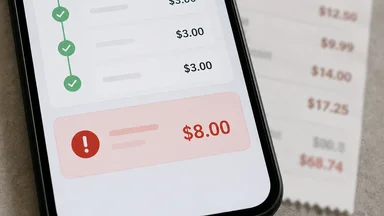
One homeowner, a middle school teacher named Sarah M., had taken out a $40,000 HELOC in 2021 to fund a kitchen remodel. She had drawn only $10,000 when she received a letter in February 2023 informing her that her line was frozen at $0. The lender explained that the estimated value of her home had fallen below the required threshold. Sarah had planned to use the remaining $30,000 to replace her aging roof, which had developed a leak during the winter rains. With the line frozen, she had to charge the $8,000 roof repair to a credit card at 18% interest.
A local real estate agent who works in the area reported that she saw at least eight similar cases in a single month. Most borrowers were caught off guard. They had not been tracking their home's estimated value or the lender's policies. The freeze notices typically arrived by mail, with no phone call or email warning. By the time borrowers realized what had happened, they had already lost access to funds they considered part of their financial plan.
The Desert Springs case is not unique. Similar stories emerged from Las Vegas, Boise, and other markets that saw rapid price swings. The common thread was that borrowers had treated their HELOC as a reliable source of backup funds, only to discover that the lender's risk management could override their expectations at any time.
Why Lenders Freeze Rather Than Reduce Rates
From a lender's perspective, freezing a HELOC is a rational risk-management move. When home values fall, the collateral backing the line becomes less valuable. If the borrower defaults, the lender may not be able to recover the full amount of the draw. Freezing the line prevents further draws that would increase the lender's exposure.
Regulatory guidance from the Office of the Comptroller of the Currency and the Federal Reserve after 2008 encourages lenders to monitor HELOC portfolios and take action when collateral values decline. The guidance does not mandate freezes, but it creates a strong incentive for lenders to protect their balance sheets. Banks that fail to manage collateral risk can face regulatory scrutiny and capital charges.
Lenders often use automated valuation models rather than full appraisals to estimate home values. These models are cheaper and faster, but they can be imprecise. A model might flag a decline that a physical appraisal would not confirm. Yet the lender typically relies on the model, leaving the borrower with little recourse. Some lenders allow borrowers to pay for a new appraisal to challenge the freeze, but the cost—often $500 to $800—can be prohibitive for someone already facing financial strain.
The freeze is not about the borrower's creditworthiness. A borrower with a 780 credit score and a spotless payment history can still have a line frozen. The decision is based solely on the estimated value of the home. This can feel arbitrary and unfair to borrowers who have done everything right. But from the lender's standpoint, it is a straightforward calculation: if the collateral is no longer sufficient, the line must be restricted.
The Hidden Cost: Forced Alternatives and Credit Damage
When a HELOC is frozen, borrowers must find other ways to access funds. The most common alternatives are personal loans and credit cards, both of which carry much higher interest rates. Personal loan rates in 2023 averaged around 10% to 15%, while credit card APRs often exceeded 20%. For a borrower who needs $20,000 for a home repair or medical bill, the difference in interest costs can be thousands of dollars over a few years.
Some borrowers respond by cutting back on other expenses, which can lead to missed payments on credit cards or auto loans. According to a 2024 study by the Urban Institute, borrowers who experienced a HELOC freeze were roughly 30% more likely to become delinquent on other debts within six months. The freeze itself does not directly harm credit scores, but the cascade of missed payments that follows can do significant damage.
There is also an emotional toll. Financial stress is linked to higher rates of anxiety, depression, and even physical health problems. For homeowners who viewed their HELOC as a safety net, the sudden loss of that net can feel like a betrayal. They may avoid necessary home maintenance, allowing small problems to become big ones. A leaking roof goes unrepaired, leading to mold and structural damage. An aging furnace is left to fail in winter.
The hidden cost extends to the broader housing market. When borrowers cannot afford maintenance, home values in a neighborhood can decline, affecting everyone. A 2022 study from the Federal Reserve Bank of Atlanta found that homes with deferred maintenance lost value faster during downturns, creating a negative spiral. The HELOC freeze, intended to protect the lender, can thus harm the entire community.
What Borrowers Can Do to Protect Themselves
Given the risks, borrowers should not rely on a HELOC as their only emergency fund. The first line of defense is to maintain a separate cash reserve of three to six months of living expenses. This money should be in a high-yield savings account, not tied to home equity. If a freeze happens, the cash reserve can cover unexpected expenses without resorting to high-interest debt.
Another strategy is to draw on the HELOC early, before a downturn triggers a freeze. If you know you will need funds for a planned expense—a renovation, a child's education—consider taking the money out as a lump sum and putting it in a separate account. This locks in the lower interest rate and avoids the risk of a freeze later. However, this strategy only works if you have a specific use for the funds; drawing early just to have cash on hand incurs interest costs.
Borrowers can also negotiate with their lender. If a freeze notice arrives, call and ask if the line can be partially restored if you pay down the balance or provide evidence of the home's value. Some lenders will agree to a lower limit rather than a complete freeze. It also helps to monitor your home's estimated value quarterly through online tools like Zillow or your county assessor's website. If you see a significant decline, you can proactively contact the lender before a freeze is triggered.
For those who need a reliable source of home equity funds, a fixed-rate second mortgage—often called a home equity loan—may be a better choice. Unlike a HELOC, a home equity loan provides a lump sum at a fixed rate, with no risk of freeze. The trade-off is that you must take the entire amount upfront, even if you don't need it all immediately. But for borrowers who value certainty, the fixed-rate option eliminates the freeze risk entirely.
The Product Itself: A Tool With a Trap Door
HELOCs remain popular for their flexibility and low upfront costs. They offer a revolving line of credit that can be tapped as needed, with interest charged only on the amount drawn. For disciplined borrowers who use them for planned expenses and pay down the balance quickly, they can be a valuable financial tool. But the freeze risk is real, and it is not priced into the borrower's decision at the time of origination.
Regulators could do more to protect consumers. The Consumer Financial Protection Bureau has considered requiring lenders to provide clearer disclosures about the freeze risk, including a plain-language explanation of the conditions under which a line can be frozen. Some consumer advocates have called for a mandatory waiting period before a freeze can take effect, giving borrowers time to find alternative funding. Others suggest that lenders should be required to offer a partial freeze or a payment plan before cutting a line to zero.
Industry groups argue that freezes are a necessary risk-management tool and that additional regulation could reduce the availability of HELOCs, hurting borrowers who need them most. There is a legitimate trade-off between consumer protection and credit access. But the current system places the entire burden on the borrower, who often discovers the trap only when it snaps shut.
The lesson for homeowners is clear: equity in your home is only yours until the lender says otherwise. A HELOC can be a useful supplement to a diversified financial plan, but it should never be the only plan. As other mortgage products have shown, the fine print matters. And as the buy now, pay later market has demonstrated, borrowing against future expectations can backfire when conditions change.
In the end, the HELOC freeze is a reminder that financial products are designed to serve the lender's interests first. Borrowers who understand the risks and plan accordingly can still benefit, but those who treat their home equity as a guaranteed resource may find themselves trapped when the market turns.
Disclaimer: This article is for informational purposes only and does not constitute financial or legal advice. Consult a qualified professional for guidance tailored to your specific situation.